A great playlist is one of the quietest, most important pieces of production at an event. When it's working, nobody notices. They just feel that the room is right. When it isn't, the air goes out of the evening and no one can quite say why. That gap, between a room that moves as one and a room that drifts, is the difference between a playlist and what we call music programming.
They are not the same thing, and treating them as the same is where most events lose the thread.
The difference between a playlist and music programming
A playlist is a list of songs. It can be chronological, genre based, mood based, or random, and anyone with a streaming account can build one. A playlist does not know that it is Tuesday, that the entrée just arrived, or that the groom just proposed a toast that changed the weight of the room.
Music programming is the craft of pairing songs to moments. It considers tempo, key, familiarity, generational reach, cultural resonance, and the arc of the night, and it lets an experienced programmer or DJ read the room and bend the plan without losing it. Every gala, wedding, or brand activation we run through full music programming feels longer and shorter at the same time: the night has more in it, and it goes by faster.
The four arcs every great event playlist is built around
Long before any specific song goes on a list, we're thinking in arcs.
1. Arrival and welcome
Conversational, warm, ambient. This is the background of people finding each other. Energy is low to mid, lyrics are unobtrusive, and the volume lets guests introduce themselves without leaning in. Jazz standards, instrumental covers of familiar songs, neo‑soul, and polished acoustic work well. Original artists or live musicians (a pianist, a small ensemble) carry this hour better than any pre‑mixed playlist.
2. Dinner and program
Supportive, not foregrounded. Dinner music should breathe. If the program includes speeches, awards, or a video, the music should duck and rise around them, something a human programmer does and a playlist cannot. Keep the material melodic, avoid hooks that demand attention, and lean a few BPM below the pace of conversation.
3. The pivot
The single most important twenty minutes of the night. This is when the evening moves from dinner to dance floor. The programming bridge (a first dance, a parent dance, a crescendoing DJ set, a horn‑led band opener) tells guests the mode has changed. Get this window right and the dance floor opens itself. Get it wrong and guests sit back down.
4. The peak and the landing
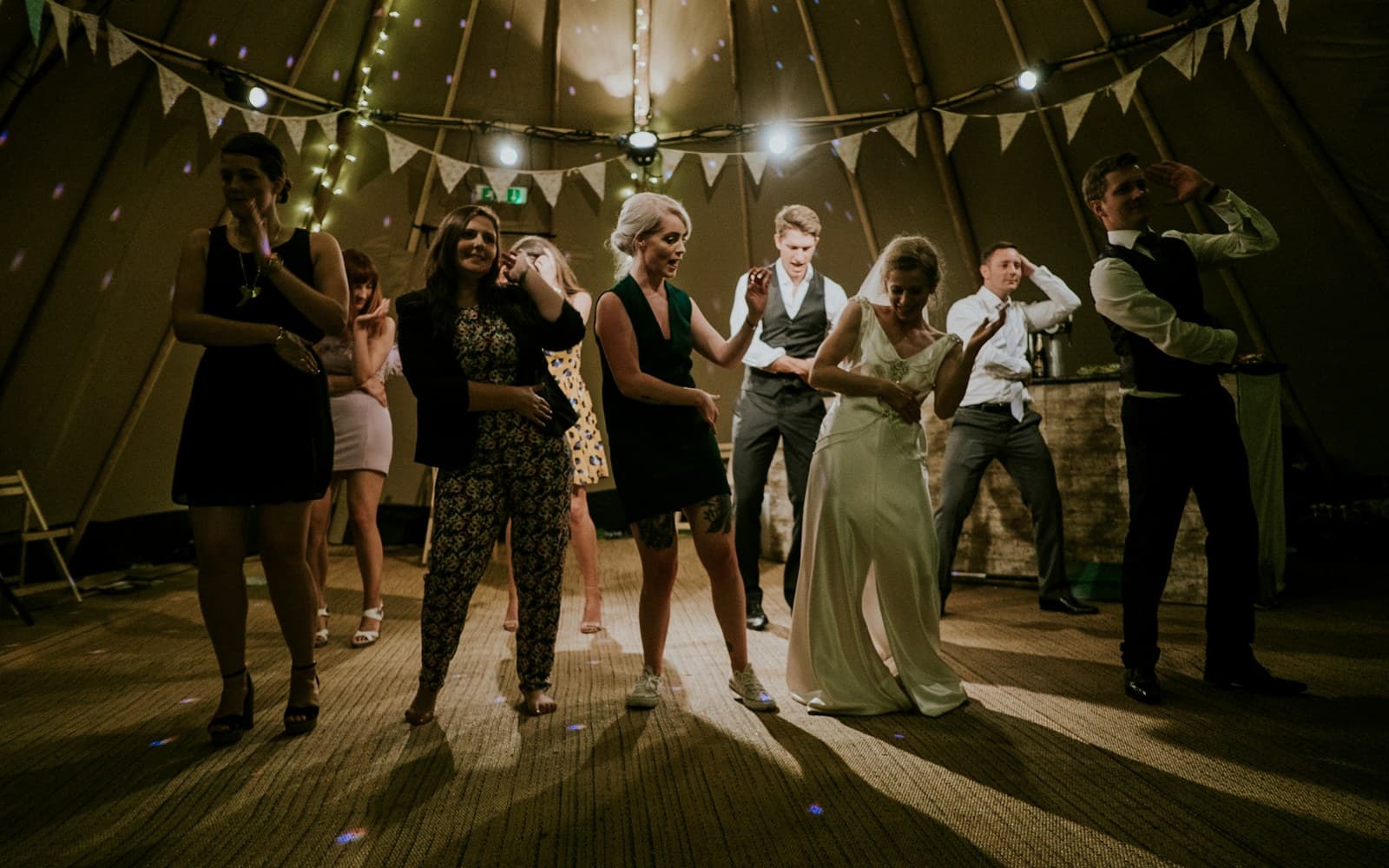
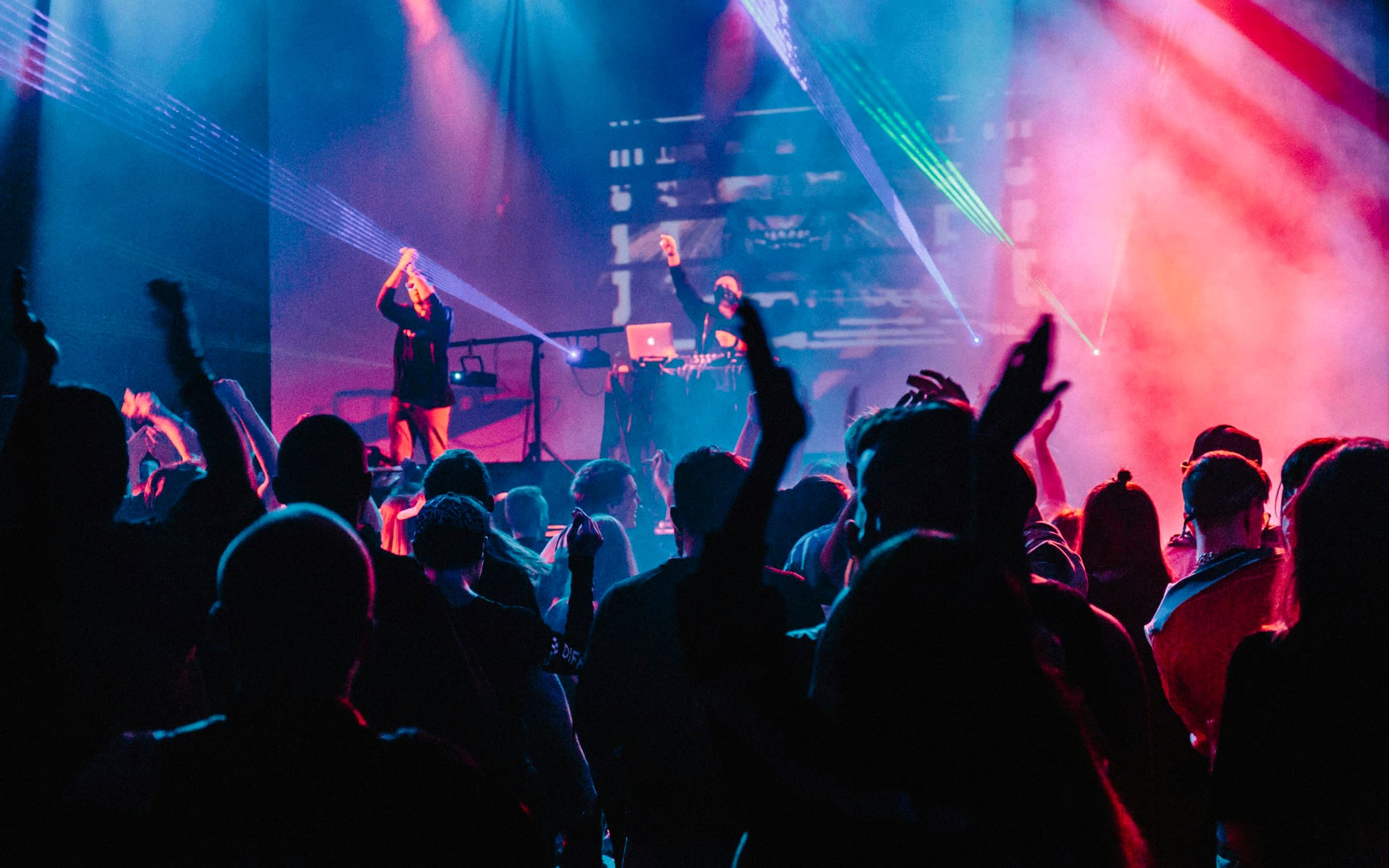
The dance floor is its own discipline. The peak is built through a combination of familiarity and novelty: a run of songs everyone knows, seeded with one or two surprises that reward attention. The landing is deliberate: the programmer brings the BPM down over the final three songs so guests leave the floor feeling satisfied rather than abandoned.
What we ask every client before we program a note
Before we build a single set list, we want to know five things:
- The three songs you absolutely want played, and the three you absolutely don't. The do‑not‑play list is often more revealing than the must‑play list.
- The demographic weighting of the guest list. Skewed older, mixed, skewed younger: each changes the cultural shorthand a programmer leans on.
- The venue's ambient character. Historic ballroom, rooftop bar, beachfront estate, industrial space: each dictates a different mood band to start from.
- Any culturally significant songs or genres that matter to the client or to the room. A Tampa Latin wedding needs bachata and reggaetón woven in; a veteran‑heavy corporate dinner benefits from a considered Americana spine.
- The energy you want at 10:45 p.m. Most planners can picture the first dance. Fewer picture the third hour. Programming is designed for both.
How programming interacts with a live band or DJ
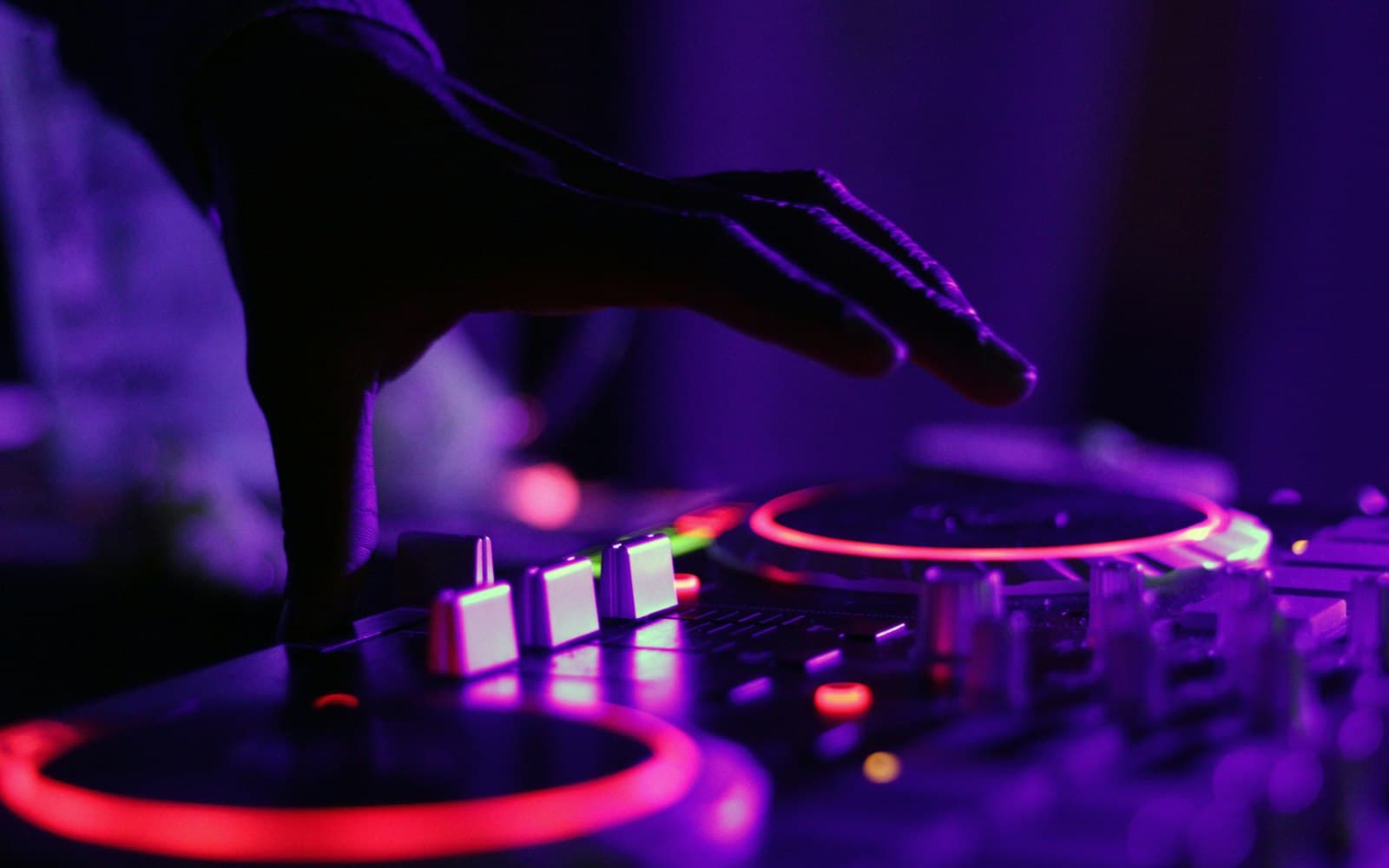
When the entertainment is a DJ, programming is effectively what they're paid for. A great Tampa Bay DJ is a real‑time music programmer with technical chops attached. The curated program is less about dictating every track and more about aligning on the arcs and letting the DJ react to the room.
When the entertainment is a live band, programming is split. The band plays their set list (refined for your audience), but the hour before, the transitions between sets, and the final thirty minutes after the band wraps are usually handled by a DJ or a curated stream. Coordinating those handoffs is where we spend a lot of pre‑production time. A band's last song and the DJ's first song should feel like one thought, not a stitch.
Programming for venues and spaces, not just events
The same discipline that shapes weddings and galas also shapes the sonic identity of venues themselves. A restaurant's lunch playlist and its dinner playlist should not be the same file on shuffle. A hotel lobby should sound different at check‑in than at happy hour. We build ambient programs for hospitality clients (hotels, resorts, restaurants) that move in multi‑day cycles and respond to time of day, season, and brand evolution. It's the same craft, slower.
Start early, not late
The best programs we build come from clients who hand us a moodboard or a Spotify playlist months before the event, not a finalized set list. A moodboard tells us what you're imagining; a finalized set list tells us what you've already decided. We want the first.
Whether you're planning a 200‑guest gala, an intimate wedding, or a multi‑day festival activation, share the event details and we'll scope a programming engagement with you. Email Booking@bookmusicbureau.com to start.