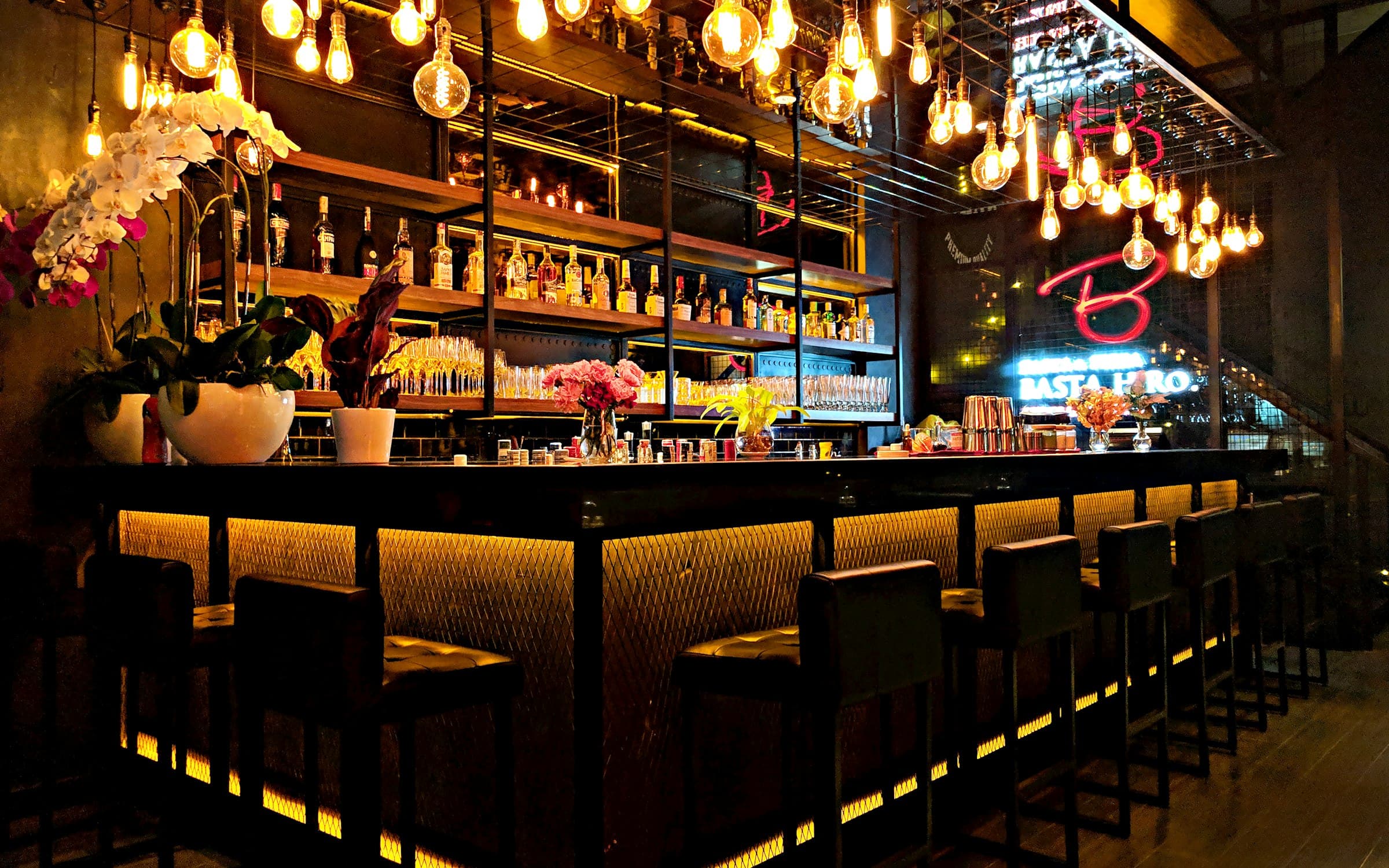
Tampa Bay is one of the most venue‑rich event markets in the Southeast. Within a fifteen‑mile radius you can move from a downtown rooftop with a skyline view to a sand‑floor estate on the Gulf, a restored industrial space in Ybor, a mid‑century ballroom in St. Pete, and a private waterfront home on Davis Islands. Every category of venue brings its own entertainment and production reality, and the best way to avoid surprises is to think about those realities before the venue is chosen, not after.
This is the working guide we share with clients who are early in the venue process.
Waterfront venues: beautiful, and uniquely demanding
A waterfront ceremony at Tampa Bay's golden hour is a gift. The light does half the work, the breeze does the rest, and the water photographs like nothing else. What the brochure doesn't show you is the acoustic openness, the wind that picks up as the tide shifts, and the salt air that degrades equipment built for indoor use.
Planning entertainment for a waterfront event means planning around three realities at once:
- Wind and sound. Open water carries sound unpredictably. A vocalist at a ceremony can be completely inaudible to guests six rows back without proper reinforcement. Ceremony mics, delay speakers, and wind screens are the spec, not the upgrade.
- Power access. Many Tampa Bay waterfront venues (private estates, beachside clubs, working waterfronts) do not have the circuit capacity for a band plus production lighting. Generators are normal; planning for them is normal; not planning for them is a mistake.
- Weather‑rated gear. IP‑rated fixtures, weather‑sealed power distribution, and elevated cable runs are required, not aspirational. This is where a production partner who has loaded into waterfront events before pays for themselves.
Ballrooms: forgiving rooms, but not identical
Tampa Bay's ballrooms, across downtown hotels, historic clubs, and contemporary event venues, are the most forgiving spaces in the market. Climate control, reliable power, predictable acoustics, and existing house rigging reduce risk and setup time. But that doesn't make them interchangeable.
A thousand‑guest hotel ballroom behaves differently from a 200‑guest historic room with crown molding and crystal chandeliers. The hotel room rewards a line array and a full lighting rig; the historic room rewards a point‑source PA and a lighting approach that accents the architecture rather than competing with it. An eight‑piece band in a room that seats 180 feels oversized; a solo jazz trio in a 500‑guest ballroom sounds underpowered. Right‑size the act to the room.
Most ballrooms also come with house AV, and a “house system” is a label, not a guarantee. Before you rely on a venue's built‑in PA for a program that matters, have your production partner walk the room and listen to the house rig at performance volume. We do this routinely, and we've found as many over‑specced house systems as under‑specced ones. Knowing in advance avoids bringing redundant gear or skimping where we shouldn't.
Outdoor non‑waterfront venues: estates, gardens, and rooftops
The third category, outdoor but not oceanfront, covers estates, gardens, downtown rooftops, and tented events. These share the weather considerations of any outdoor production in Florida (see our outdoor lighting and AV guide), but add their own specifics:
- Rooftops bring height and view, but also strict load limits for staging, lighting truss, and generators. Most rooftop events in downtown Tampa and St. Petersburg are engineered, not improvised.
- Estates and private homes carry the expectations of a venue without the infrastructure of one. Plan for tented sound reinforcement, restroom and power provisioning, and neighborhood decibel limits that come into play after 10 p.m.
- Gardens and outdoor museum spaces often have gorgeous built environments that double as scenic backdrops, but they are shared with plantings, irrigation, and hours of operation that constrain load‑in windows.
Industrial and historic spaces: character, with trade‑offs
Ybor City, the downtown Tampa corridor, and parts of St. Petersburg have produced a growing roster of industrial and historic event spaces: converted warehouses, old theaters, restored garages. These venues photograph like nothing else and reward a band that matches the room's edge. They also, almost without exception, come with acoustic quirks: long reverberation tails from exposed brick and concrete, limited sight lines from columns, and HVAC that fights the sound of a live band.
We love these rooms. We also book them with eyes open. A room with a three‑second reverb tail rewards a tight, polished ensemble and penalizes a loose one. Lighting design has to lean into the architecture rather than try to hide it. If a room reads like a character, book entertainment that fits the character.
Matching entertainment to the room type
Some rough rules we keep in mind when making venue recommendations:
- Large ballroom (500+ guests): Full reception band or a senior DJ with flown PA and full lighting rig.
- Mid‑size historic ballroom (150–300 guests): Right‑sized four‑ to five‑piece band or a polished DJ, with architectural lighting rather than large performance rigs.
- Waterfront ceremony + reception (100–200 guests): Solo musician or small ensemble for ceremony, transitioning to a band or DJ under tent or in an adjacent structure for reception.
- Rooftop reception (75–150 guests): DJ or hybrid DJ‑plus‑live musician. Full bands are often constrained by load limits and decibel caps.
- Private estate (any size): Tailor to the host. Private estates often want signature acts: a specific jazz band, a particular Latin band, a named DJ, rather than generic ensembles.
- Industrial / converted space (200–400 guests): Bands that tolerate reverberant rooms (tight horn sections, funk, or disciplined pop ensembles) paired with lighting that embraces the architecture.
Before you sign a venue contract
Five questions to ask every venue before you commit:
- What is the power envelope available to performers and production: amperage, circuit count, and where the panels are located?
- What are the load‑in windows and restrictions? Same‑day load‑in limits what kinds of production are feasible.
- Are there decibel limits, cutoff times, or sound ordinances that affect the evening's program?
- What house AV, lighting, and staging are included, and what does “included” actually mean when a production team walks in?
- Are there preferred or exclusive vendor lists, and does that apply to entertainment, production, or both?
We know these rooms
We've loaded into most of them. If you're choosing between two Tampa Bay venues and want a plainspoken read on what each means for your entertainment and production budget, or if your venue is already chosen and you want a booking tailored to it, we're happy to help. Browse the bands, DJs, and solo musicians on the roster, or send us your venue and date and we'll reply promptly.