Hiring an all vinyl DJ is a different decision from hiring a regular wedding or event DJ, and the planners who get it right are usually the ones who understand why the format matters before they start auditioning artists. A vinyl‑only set is not just an aesthetic flourish or a throwback gimmick. It is a specific musical discipline that produces a specific room — slower transitions, deeper crates, more intention per record — and it is becoming one of the most requested formats for weddings, dinner receptions, brand activations, and listening rooms across Tampa Bay and the broader Florida market.
This guide is for the person who has heard a vinyl set in the wild, loved what it did to the room, and now wants to book one. It covers what the format actually delivers, when it is the right fit (and when it isn't), how to brief a selector well, and what to look for when you're comparing artists on a roster.
What “all vinyl” actually means in a DJ context
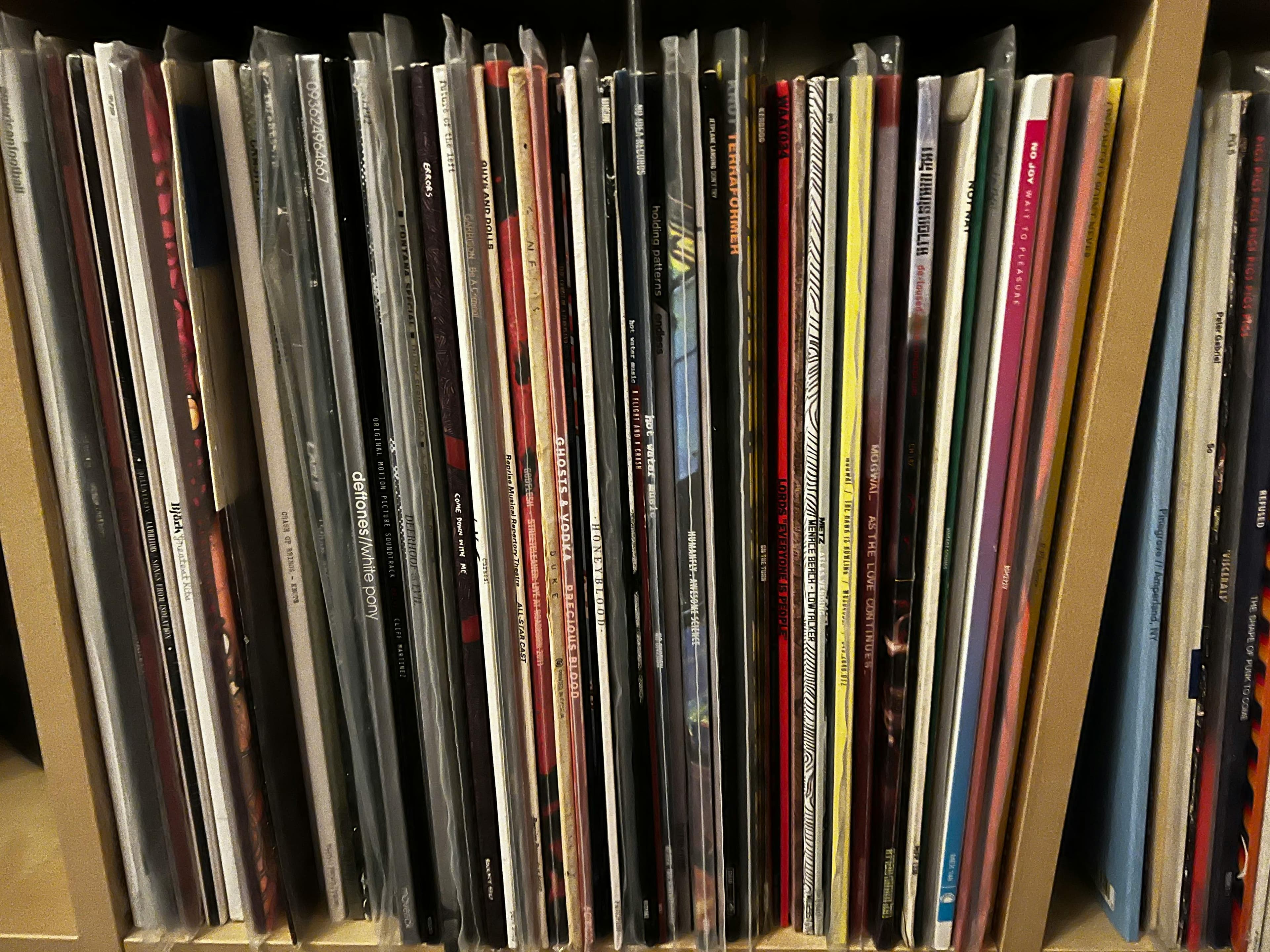
An all vinyl DJ — sometimes called a vinyl‑only DJ, a wax selector, or simply a vinyl DJ — plays every record from a physical 7‑inch or 12‑inch vinyl pressing using turntables and a mixer. No laptop. No USB sticks. No streaming. The library that shows up at your venue is the library that was packed into the crates that morning, and every record played is a deliberate choice from a finite collection the artist has spent years building.
That constraint is the whole point. A digital DJ has access to roughly the entire recorded canon of popular music through a laptop and a subscription. A vinyl DJ has access to several hundred records they have personally bought, kept, and learned to mix. The difference shows up in the room: a vinyl set has a point of view because it has to. There is no infinite backup library to fall back on, so what plays is what the artist actually believes in.
Why couples and brands are booking vinyl DJs in Tampa Bay
Over the last two years, demand for vinyl‑only sets across our booking queue has grown significantly. The events where it lands best fall into a few clear categories.
Weddings with a non‑generic point of view
For couples who want the music to feel curated rather than crowd‑sourced, a vinyl wedding DJ is a different statement than a standard open‑format DJ. The cocktail hour and dinner sets get particular benefit — that's where soul, funk, jazz, bossa, and disco from the 60s through the 90s really shine on wax. We often pair a vinyl selector for ceremony‑through‑dinner with a more dance‑floor‑driven open‑format DJ or a live band for the reception, so the night gets both the artistry of the analog set and the energy of the late‑night peak.
Brand activations and gallery openings
For a brand, a vinyl DJ signals taste. It tells the room that the host cared enough to book a specialist rather than a playlist. That reads especially well for fashion, design, hospitality, spirits, and lifestyle brands hosting Tampa or St. Pete activations — where the music is part of the brand vocabulary, not background filler. The turntables themselves become a visual prop, which photographers and content teams reliably love.
Listening rooms, dinner sets, and rooftop residencies
Some of the most successful Tampa Bay restaurant and rooftop residencies of the past few years are built on a weekly vinyl slot. The format respects conversation, builds slowly across the night, and gives a venue a sonic identity that streaming playlists can't replicate. If you are operating a hotel rooftop, a chef‑driven restaurant, or a curated cocktail lounge, a vinyl residency is one of the highest‑ROI atmosphere investments you can make.
Anniversaries, milestones, and listening events
We see vinyl booked for fortieth birthdays, vow renewals, twenty‑fifth wedding anniversaries, label launch parties, and record release listening events. Anywhere the music itself is the story, vinyl tends to outperform digital in how guests describe the night afterwards.
When a vinyl DJ is not the right call
Hiring well means also knowing when to pass. Vinyl is not a universal answer, and a mismatched booking is worse than a well‑executed conventional one.
- Top‑40 wedding receptions. If the brief is “keep the floor full from nine to midnight with the songs everyone screams along to,” an open‑format digital DJ is structurally a better fit. Vinyl libraries skew toward catalog, not current chart.
- Sales kickoffs and high‑energy corporate hype. When the room needs to be pushed and the agenda demands tight, predictable cues, the constraints of the vinyl format become friction. Hire a hybrid DJ with full digital control instead.
- Outdoor sets without proper turntable conditions. Wind, sun, and rain are real enemies of a vinyl setup. Outdoor weddings and beach events need a tent or pavilion, proper power, and a stable booth before a vinyl DJ becomes a viable option. Most of our roster will simply decline a Florida outdoor booking that doesn't meet those conditions, and they should.
- Very mixed‑genre, multi‑decade requests. If you need 80s arena rock, current country, salsa, and Afrobeats across the same four hours, vinyl will struggle to cover the spread without a stack of crates that gets unwieldy.
What to look for when you're hiring
Across the dozen or so vinyl DJs we work with on our All Vinyl roster, the artists who get rebooked most consistently share a few traits. These are the things worth checking before you sign.
Library depth in the genres you care about
Ask what genres the DJ's collection actually goes deep on. A vinyl DJ who has spent twenty years collecting Brazilian bossa, Nigerian funk, and 70s soul will not be the same as one whose crate is built around 90s hip‑hop and house. Both are excellent; only one is right for your dinner reception. Match the library to the room and the room to the library.
Mixing technique on actual decks
Anyone can own records. The difference shows up in the transitions — beatmatching by ear, blending across tempos and keys, dropping the needle cleanly on a cued cut without scratching the wax. Ask to see a recent live recording, or better, attend a residency or open‑format night where the artist is playing wax in front of a crowd. Studio mixes hide weaknesses; live sets don't.
Crate organization and pre‑event prep
A working vinyl DJ has spent the days leading up to your event physically pulling records, building running orders, and packing the crates. The artists who treat that pre‑production seriously produce noticeably better sets. In your booking conversation, listen for how the DJ talks about that prep — it tells you a lot about how the actual night will run.
Their own gear, and a backup plan
Most professional vinyl DJs in Tampa Bay travel with their own turntables, mixer, slipmats, headshells, and a needle kit. They should also be willing to discuss backup: a second mixer in the truck, a digital safety net (some vinyl DJs carry a small digital rig strictly for emergencies — a needle skip during a first dance is not something you want to discover live), and an honest answer about what happens if a turntable fails mid‑set.
How a vinyl set actually differs from a digital set
Beyond the obvious — that one uses vinyl and one uses laptops — the format choice shows up in several practical ways on the day.
- Transitions are slower and more deliberate. A vinyl mix is physical work; the DJ has to cue, beatmatch, and blend by ear. The result is that sets breathe more than a digitally synced one, which suits cocktail hours, dinner, and conversation‑forward environments.
- Volume and dynamics carry differently. Vinyl played through a properly tuned system has a warmth and midrange presence that streaming compressed audio doesn't quite match. Guests rarely articulate it but they do feel it.
- Sets are more genre‑coherent. A vinyl DJ tends to play in pockets — a forty‑minute soul run, a thirty‑minute disco arc — rather than ping‑ponging across decades and genres every track. That coherence is what makes the room feel programmed.
- Setup time is longer. Budget an extra thirty to forty‑five minutes of load‑in for vinyl over a standard DJ booth. Confirm the venue can accommodate a stable, level surface that won't skip from heavy foot traffic (this is a real concern in older Tampa ballrooms with bouncy floors).
“The first time most clients hear a great vinyl DJ at their own event, they describe the room differently the next day. The word that comes up most often is “intentional.””
How to brief a vinyl DJ well
Once you've chosen the artist, a strong brief is the difference between a set that feels custom‑built and one that feels generic. The fields that matter most in a vinyl booking:
- Anchor references. Not a Spotify playlist, but two or three artists, eras, or scenes that capture the vibe you want (“Donny Hathaway, Stevie Wonder, Roy Ayers territory for dinner”). A vinyl DJ can plan a crate against that with precision.
- Must‑plays and do‑not‑plays. Keep both lists short — five each is usually plenty. Long lists become noise and signal that you don't trust the artist.
- Programmatic moments. Walk the DJ through the processional, the introductions, any toasts or speeches, the first dance, the cake cut, and any other cued moments. For first dances on vinyl, plan whether you want the actual record (and provide a clean pressing if it's a deep cut) or a live‑mixed version.
- Room volume policy. A vinyl dinner set should sit at conversation level; a vinyl after‑party can go loud and warm. Tell the DJ which mode you're in and where the transition lives in the timeline.
Tampa Bay venues that fit a vinyl format well
Florida is a good market for vinyl because so many of the rooms people are getting married or hosting in were built for music to carry — old hotel ballrooms, mid‑century waterfront properties, renovated industrial spaces, and the rooftops and courtyards that came online during the recent St. Pete and Tampa hospitality boom. If you're still venue shopping, our Tampa Bay venue guide flags the rooms we tend to recommend for music‑forward receptions, several of which are excellent vinyl rooms with proper acoustics.
Hire a Tampa Bay all vinyl DJ through The Music Bureau
We curate the only vetted All Vinyl roster in the Tampa Bay market — a small, hand‑picked group of selectors who play one hundred percent vinyl, bring their own gear, and have the residency hours and event experience to back the format up. Every artist on the roster has been booked for weddings, brand activations, hotel residencies, and private parties across Florida.
If you're comparing a vinyl DJ against a hybrid or open‑format DJ for the same event, the framework in our live band vs. DJ vs. hybrid decision guide is a useful next read — the same logic that applies to choosing between a band and a DJ applies to choosing between vinyl and digital within the DJ category.
To brief us on a wedding, brand event, or residency, share the date, the venue, and a couple of anchor references, and we'll come back inside a day with two or three vinyl DJs on the roster who fit the room. Reach us at Booking@bookmusicbureau.com or start a booking brief.