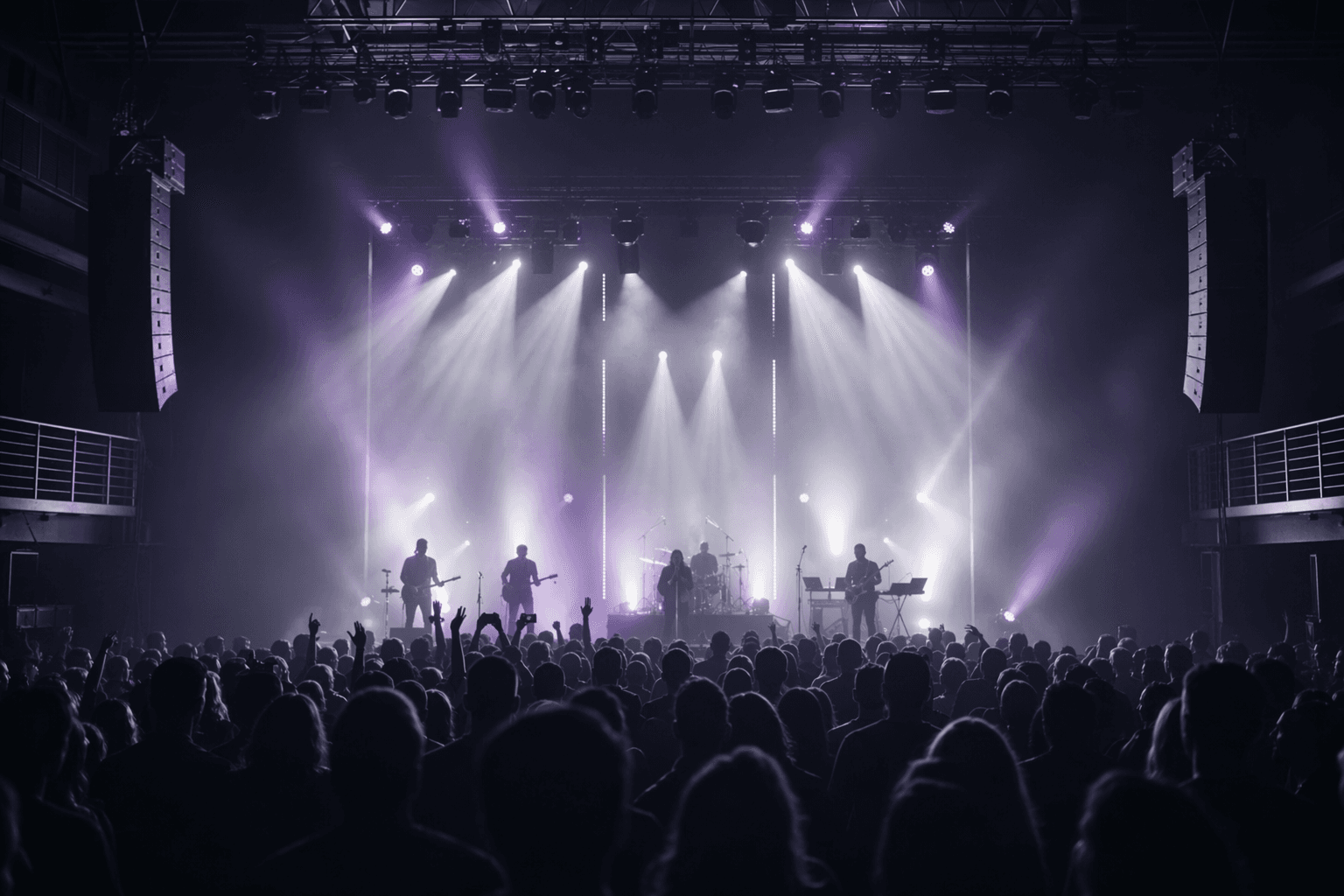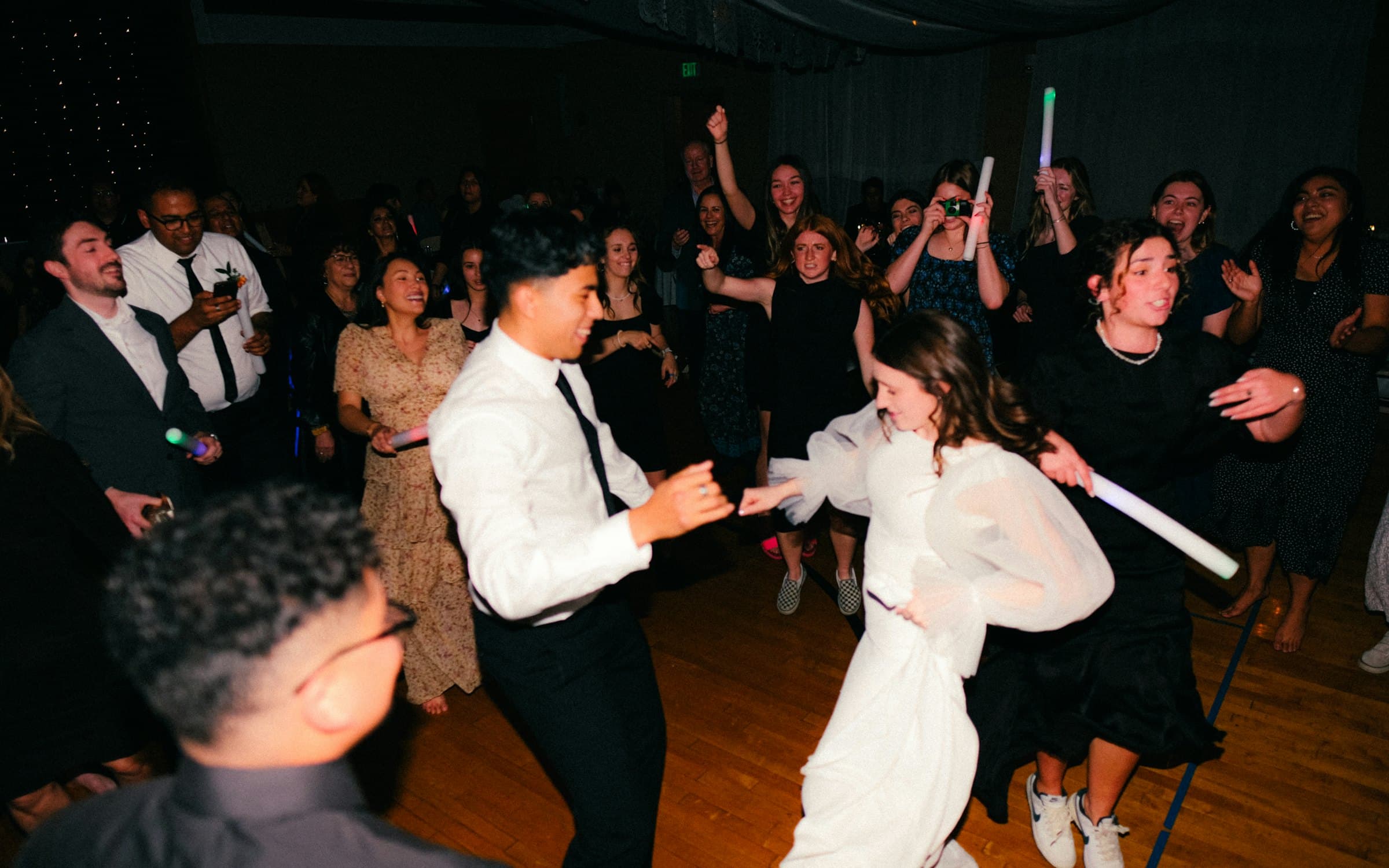
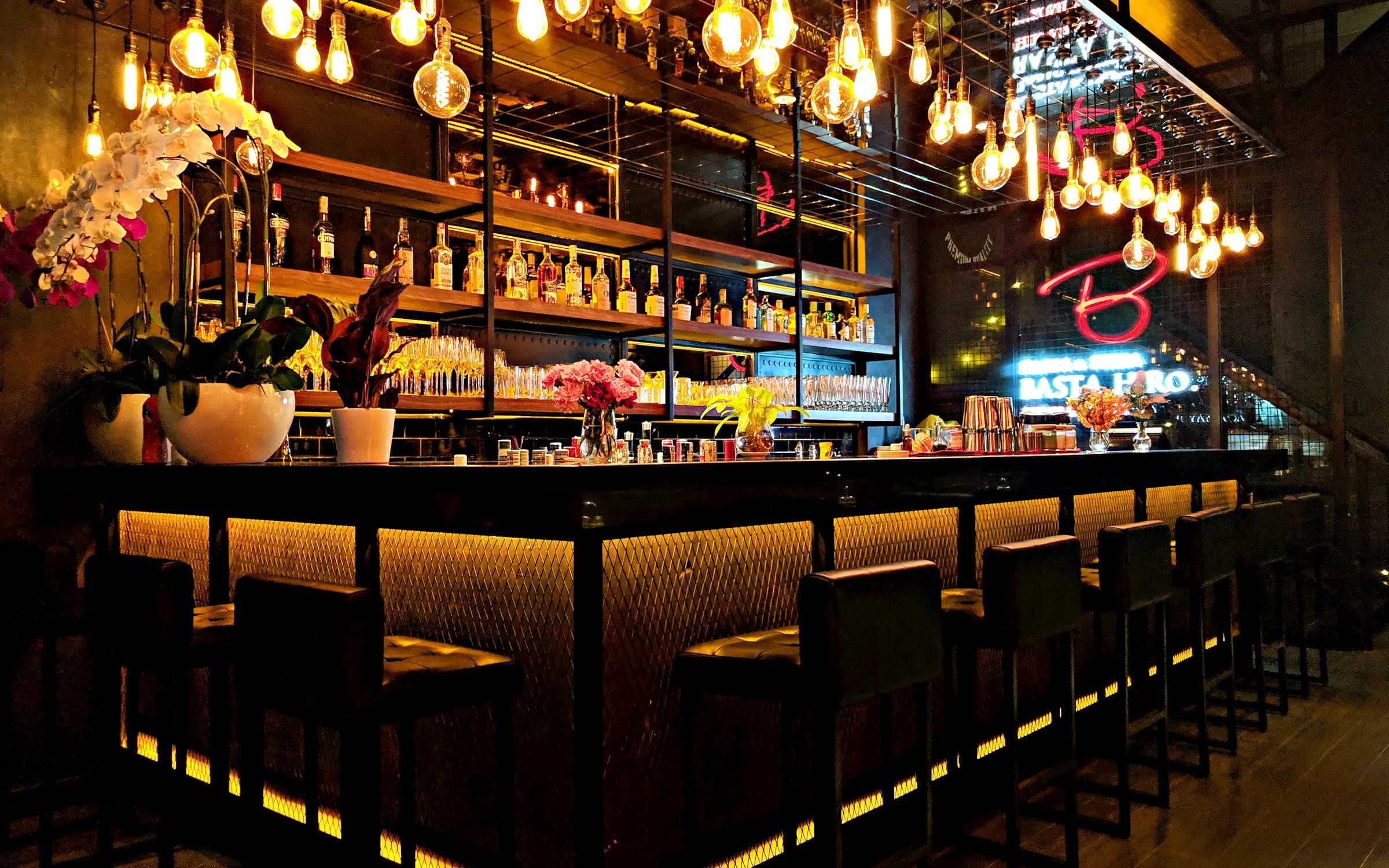
Every operator knows the shape of the week. Friday and Saturday take care of themselves. Thursday is fine. And then there is the stretch from Sunday afternoon to Wednesday night, when the patio is beautiful, the kitchen is fully staffed, and the room is two-thirds empty. Adding live music for restaurants and bars is one of the few levers that can change that math without discounting your menu or renting a billboard.
But live music only works as a business decision when it is run like one. A guitarist who shows up late, plays too loud for a dining room, and never returns is not a program—it is an expense. This guide is written for Tampa Bay hospitality operators: the independent restaurant and bar owners, the hotel and resort food-and-beverage directors, and the GMs who are weighing whether to put music on the calendar and want to know what actually goes into making it pay.
Treat live music as a revenue line, not decoration
The first shift is framing. Music is not an amenity you bolt onto a room that is already working; it is a reason for someone to choose your room on a night they had no particular plans. That reframing changes every decision downstream—which night you program, which format you book, how loud it is, and how you measure whether it worked.
It also changes how you evaluate the spend. A weekly act is not a one-time entertainment cost. It is a recurring line that should be judged the way you judge any recurring line: against covers on that specific night, bar spend per table, how long guests stay, and whether the same faces come back next week. Set that expectation before you book anything, and you will make far better calls about what to keep.
Start with the nights you actually need to fix
The most common mistake we see is booking music for the night that is already busy. Saturday does not need help. A Wednesday happy hour that dies at 6:30 does. Programming the soft nights is where a restaurant live music program earns its keep, because every incremental cover is genuinely incremental rather than a guest who would have come anyway.
Consistency matters more than volume. One reliable recurring slot beats four scattered dates, because regulars can only build a habit around something predictable. Pick the night, hold it, and give it a full season before you judge it. Then let the results tell you whether to add a second night.
Choose the right format: solo, duo, band, or DJ
Format is the single biggest decision, and it is decided by the room and the service, not by taste. A dining room where guests are holding conversations across a four-top has a different ceiling than a rooftop bar at 10 p.m. Here is how we match acts to hospitality spaces.
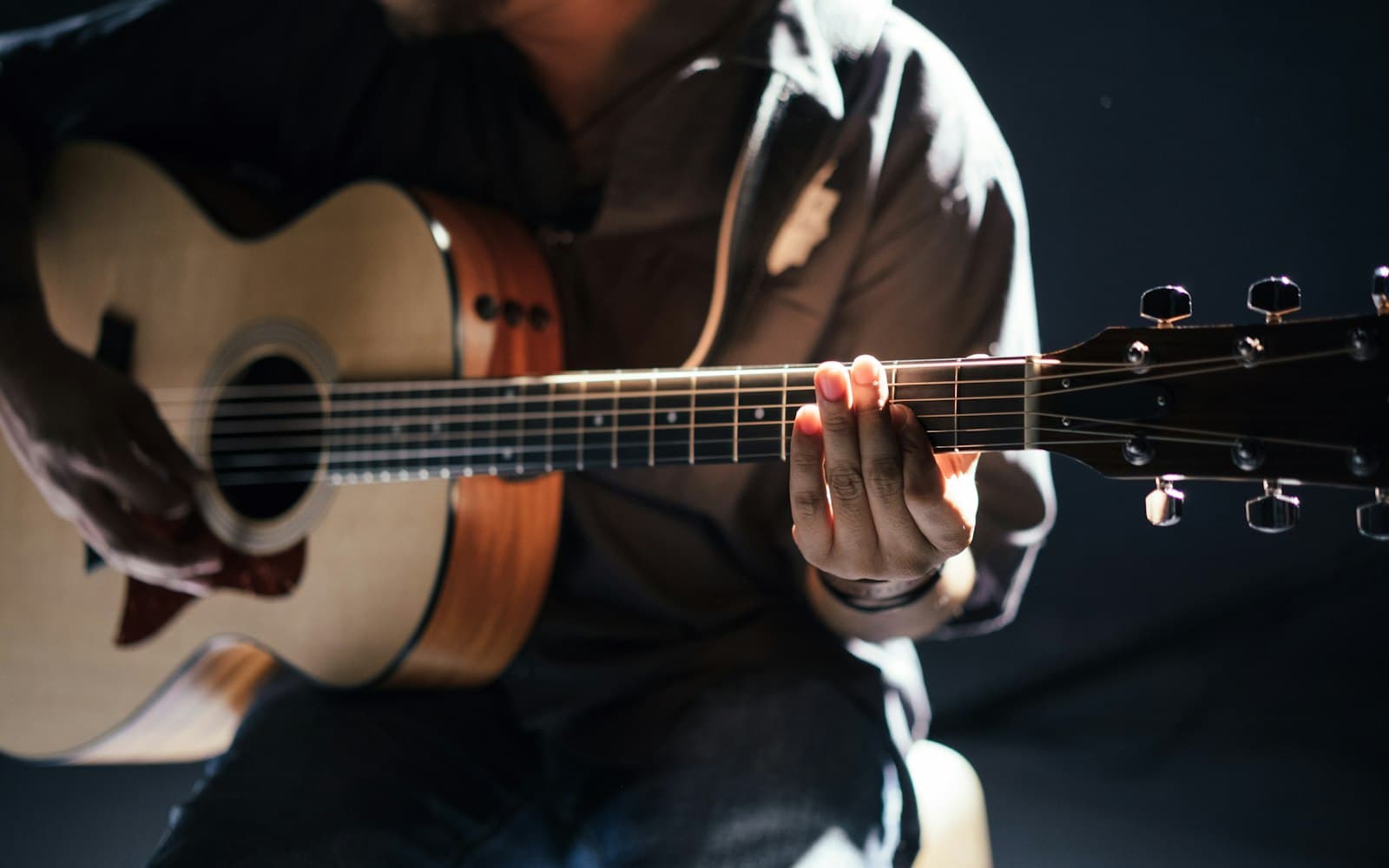
- Solo musicians and duos are the workhorses of hospitality programming. A guitarist-vocalist, a jazz pianist, or a sax-and-keys duo raises the energy of a dining room while leaving conversation intact. They need minimal space, minimal power, and minimal load-in. Browse our Tampa Bay musicians.
- Trios and small ensembles are the step up for a weekend brunch, a courtyard, or a bar that wants presence without surrendering the whole room to the stage.
- Full bands belong where the music is the draw: a rooftop on a Friday, a brewery taproom, a seasonal series, or a venue-hosted event night. They need real stage space, real power, and real sound. See our live bands across pop, soul, funk, Latin, and Top 40.
- DJs give you range and stamina, and they scale from low-key dinner sets to a late-night floor without a break in the music. Explore our Tampa Bay DJs.
- Vinyl-only selectors have become a signature move for chef-driven restaurants, cocktail lounges, and hotel rooftops that want a curated, tactile feel rather than a club energy. Our all-vinyl roster and our all-vinyl DJ hiring guide cover when this format fits.
If you are torn between a live act and a DJ for a given slot, our band-versus-DJ guide walks through the trade-offs in detail.
“The right act for a restaurant is rarely the best act in the room. It is the one that understands it is part of the service, not the headline.”
Tampa Bay rooms come with their own rules
We book across Tampa, St. Petersburg, Clearwater, Sarasota, and the beaches, and the geography genuinely shapes the program. What works on a Gulf-facing deck does not translate to a converted Ybor City storefront.
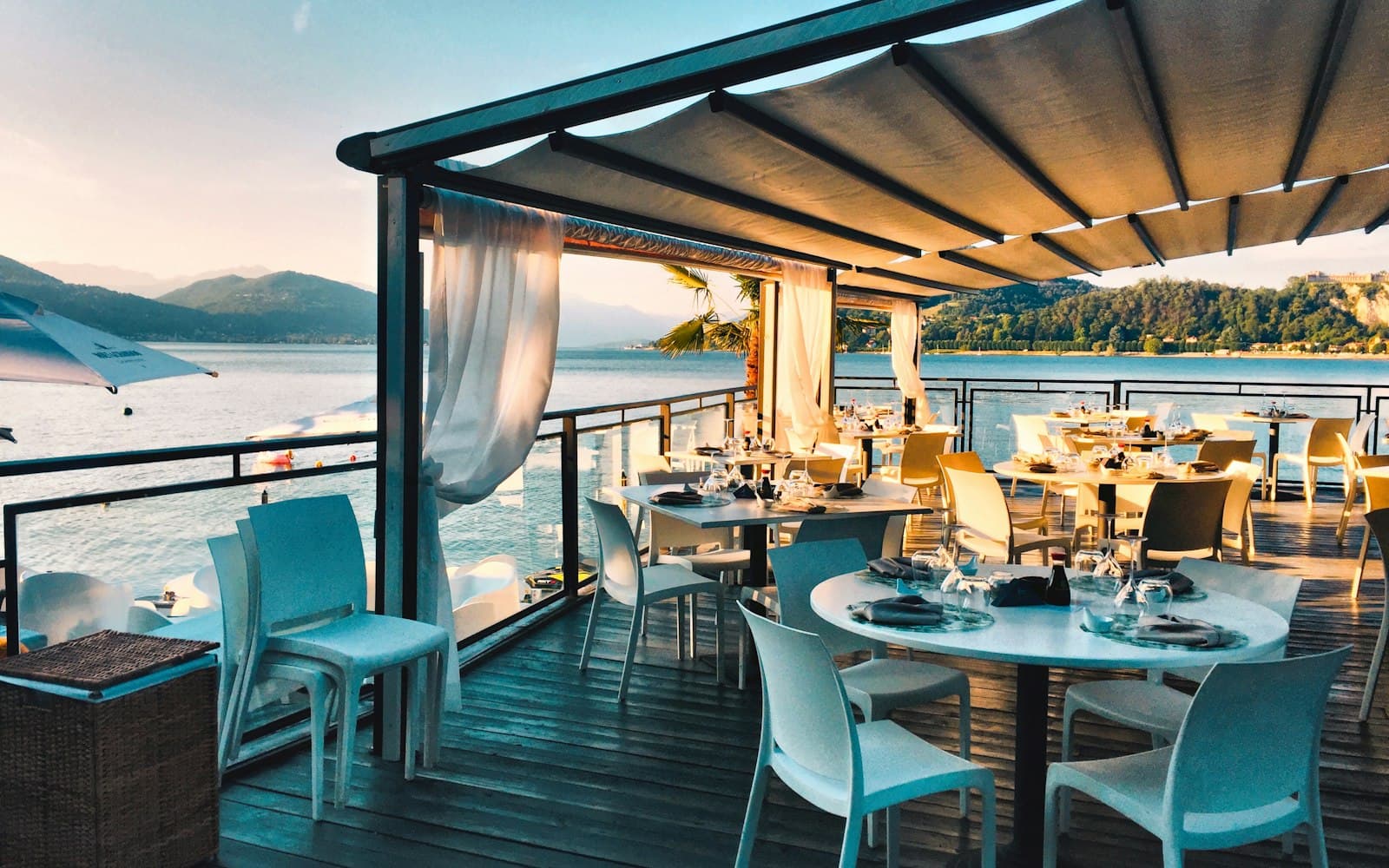
- Waterfront patios and decks. The sunset is your headliner; the act is the frame around it. These slots want an early start, a weather contingency, covered power, and gear that tolerates salt air and humidity.
- Rooftops. Wind, open sky, and neighbors. Rooftop programming lives or dies on a properly tuned, right-sized system rather than raw volume, and on knowing the noise ordinance before you advertise the night.
- Ybor City and historic storefronts. Hard surfaces, brick, and tin ceilings make rooms reflective. A format that sounds warm in a carpeted lounge can turn harsh here without treatment or a scaled-back setup.
- Downtown St. Pete and mixed-use districts. Residential neighbors above and beside you mean end times and volume limits are part of the booking, not an afterthought.
- Breweries, taprooms, and food halls. Big, loud, and forgiving—these rooms can carry a full band, but load-in access and stage footprint vary enormously.
Our Tampa Bay venue guide goes deeper on how different rooms behave, and our guide to outdoor lighting and AV in Florida weather covers the storm-season planning that outdoor programming demands from June through September.
Hotels and resorts: program the property, not just the bar
For hotel and resort operators, the calculus is different. You are not filling one soft night—you are giving a guest a reason to spend their evening on property instead of ordering a car downtown. That means hotel and resort live music programming has to work as an ecosystem: the lobby, the pool deck, the rooftop bar, and the restaurant should feel like one property with one point of view, even when the energy in each is deliberately different.
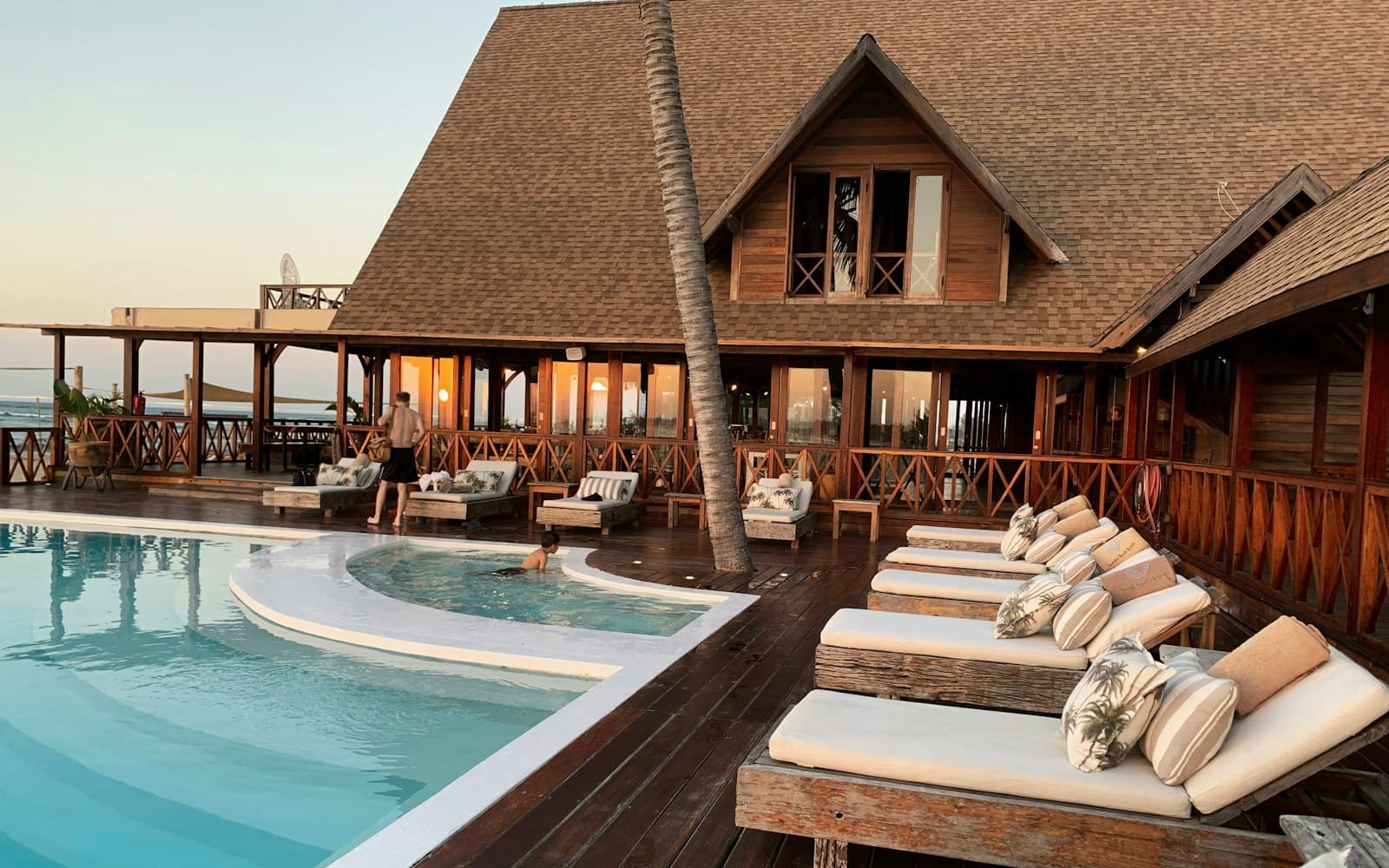
In practice, that means dayparting. An acoustic set on the pool deck at golden hour, a DJ on the rooftop after dark, and a pianist in the lobby during check-in are three different bookings serving one identity. And because no property can staff live music every hour it is open, the hours in between matter just as much.
That is what our playlist curation service is built for: hand-curated, ad-free, dayparted programs for restaurants, bars, hotels, resorts, retail floors, lobbies, showrooms, fitness studios, and offices, refreshed on a cadence you set. Our guide to curating music for the mood of a room explains how we build those programs.
Sound, staging, and the gear question
The fastest way to make a good act sound bad is to leave the sound system to chance. Plenty of solo performers travel with a capable powered speaker; a five-piece band on a rooftop does not. If your venue has no house system, every booking becomes a negotiation about whose gear shows up, and the guest experience swings week to week.
We solve that two ways. For venues that want to own the setup, we spec and install a right-sized house system so any act can plug in and sound consistent. For venues that would rather not, our event production team supplies sound, staging, lighting, LED visuals, backline, and on-site coordination—the same infrastructure we bring to weddings, corporate events, and festivals, scaled to a bar-sized footprint.
Licensing, insurance, and the paperwork operators forget
Two administrative items catch venues off guard. The first is public performance licensing. In the United States, that runs through the performing rights organizations—ASCAP, BMI, SESAC, and GMR—and the obligation sits with the venue, not with the musician you hired. It applies to live performance and to the recorded music you play between sets. We will tell you what a room like yours typically needs, but confirm the specifics directly with each PRO or your attorney; we are not licensing counsel.
The second is vendor compliance. Many properties, and nearly every hotel and resort, require certificates of insurance and W-9s from every vendor who walks in the door. Chasing that paperwork from a dozen individual musicians is a real administrative cost. The Music Bureau is licensed, bonded, and insured in Florida, and we handle artist contracting, deposits, and documentation as a single vendor relationship—which is often the reason multi-outlet operators consolidate their bookings with us in the first place.
What a live music program costs, and how to budget it
We do not publish flat rates, because a real quote depends on variables that differ from room to room. The honest answer is that your cost is driven by a short list of factors:
- Size of the act. Every additional player is another fee, another input channel, and more stage footprint.
- Set length and start time. A two-hour happy hour and a four-hour Saturday night are different asks.
- Frequency. A committed recurring slot is generally more efficient per date than sporadic one-offs, for you and for the artist.
- Who supplies production. House sound versus a provided system materially changes the number.
- Night and season. Weekend dates, holiday stretches, and the November-to-April high season are in higher demand across Tampa Bay.
- Travel. Beach and outlying properties can carry a travel component.
When we quote a venue, we quote the program—a monthly or seasonal figure with the artist rotation and any production included—so you can weigh it against the nights it is meant to move rather than guessing date by date.
Build a rotation your regulars can rely on
A single act every week is the easiest program to launch and the fastest to go stale. A rotation of three or four vetted artists in the same slot keeps the night fresh for regulars while preserving the consistency that makes it a habit. It also protects you: when someone is sick or on tour, the night still happens.
That rotation is the practical argument for booking through an agency rather than assembling it yourself. We maintain the bench, handle the substitutions, brief every artist on your room—volume, dress, breaks, set structure, what to do if the kitchen gets slammed—and keep the calendar filled a season ahead. You get one contact, one invoice, and one accountable partner instead of a group chat with fifteen musicians.
Book live music for your Tampa Bay venue
The Music Bureau is more than a booking agency. We help operators choose the right format for the room, shape the atmosphere across every hour you are open, manage the production, and run the calendar so the program holds up week after week. We are licensed, bonded, and insured in Florida, and we respond to new inquiries promptly.
Tell us the nights you want to fix, the room you are working with, and the crowd you are trying to keep. We will come back with a format recommendation, a curated shortlist of bands, DJs, and musicians, a production plan if you need one, and a program quote.
Start on our contact page, email Booking@bookmusicbureau.com, or call (813) 616-1707. Mail reaches us at PO Box 272853, Tampa, FL 33688.
Frequently asked questions
How much does live music cost for a restaurant or bar in Tampa Bay?
Cost is driven by the size of the act, the length of the set, how often the act plays, whether the venue supplies sound and staging or the artist does, and the night of the week. A solo guitarist for a three-hour patio set and a five-piece band on a Saturday are very different line items. We quote a full program rather than a single date, so operators can see the weekly and monthly cost before committing.
Does my restaurant need a music license for live performances in Florida?
Public performance licensing is handled through the performing rights organizations, primarily ASCAP, BMI, SESAC, and GMR, and it is the venue's responsibility rather than the musician's. It applies to live performance and to recorded background music. We flag what a venue typically needs and point operators to the right sources, but licensing terms should be confirmed directly with each PRO or with your attorney.
How often should a venue book live music?
Most operators are better served by a consistent, repeating slot than by scattered one-off bookings. A recurring night trains regulars to expect music, gives staff a predictable service rhythm, and gives the act time to build a following in your room. Start with the one or two nights you most need to fix, prove the pattern, then expand.
Can The Music Bureau handle sound and staging as well as booking?
Yes. Beyond booking pre-vetted bands, DJs, vinyl-only selectors, and solo musicians, we provide full event production: sound, staging, lighting, LED visuals, backline, and day-of coordination. For venues without house gear, we can supply a right-sized system so the program does not depend on what each artist happens to own.
Do you also program the hours when there is no live act playing?
We do. Our playlist curation service builds hand-curated, dayparted programs for restaurants, bars, hotels, resorts, retail, lobbies, showrooms, fitness studios, and offices, so the room sounds intentional during the hours between live sets.